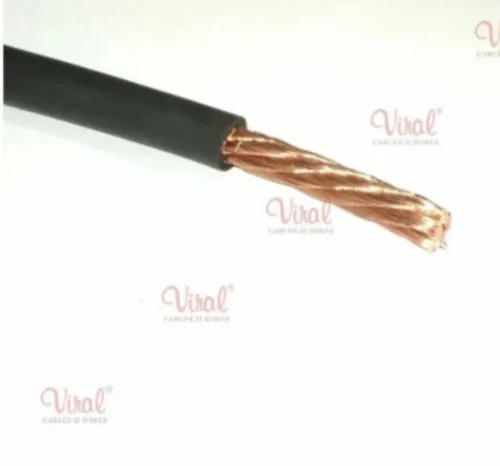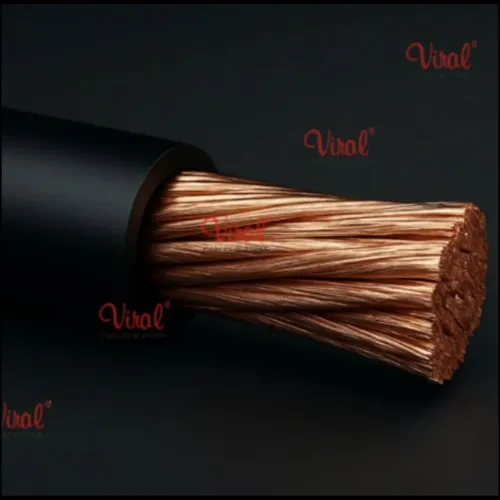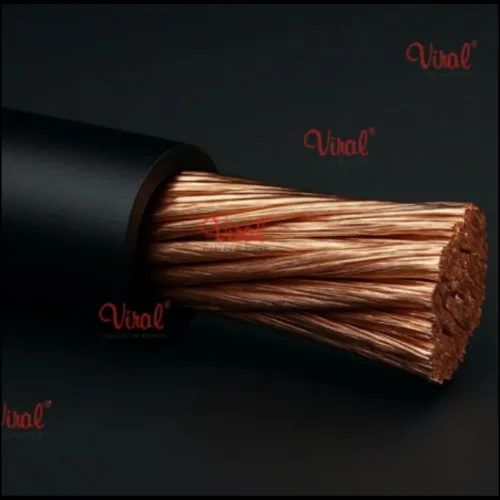

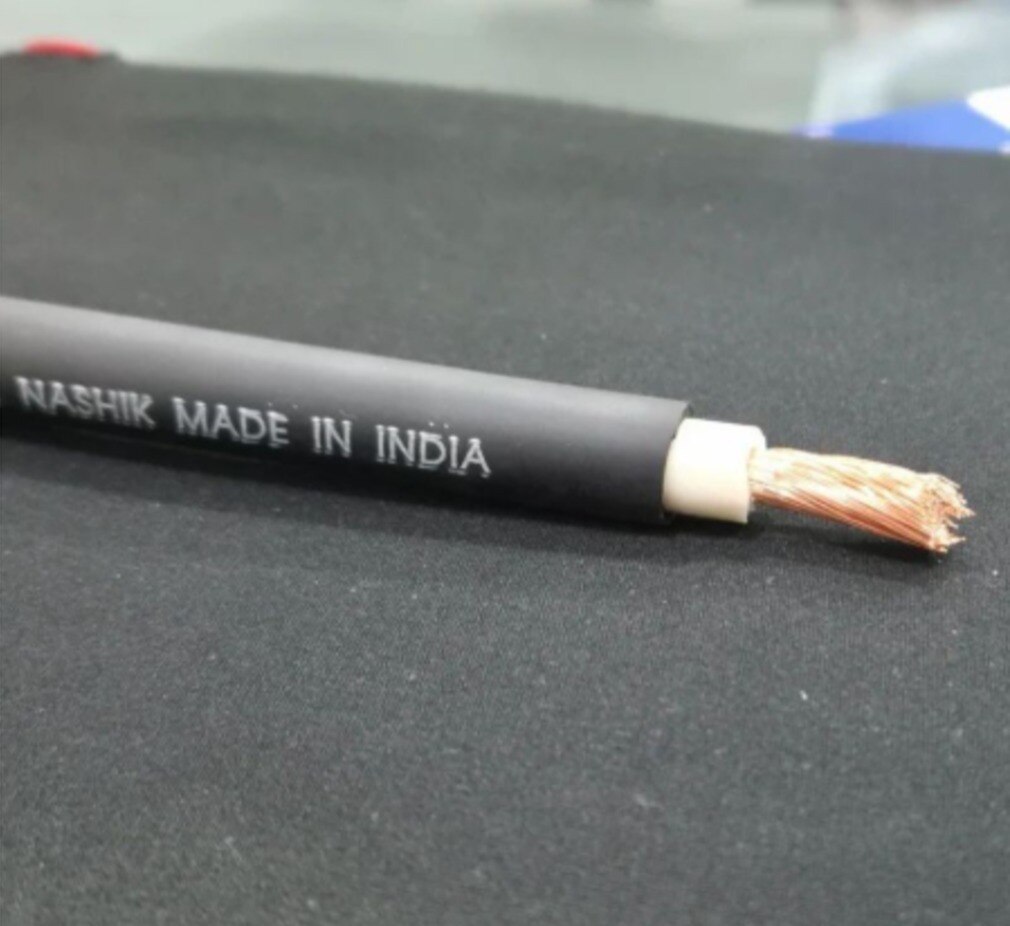
After a welder, generator, battery system, or cable terminal fails, the visible fault may be only one part of the danger. You will be able to isolate the equipment, identify damage that requires removal from service, and specify a replacement that matches the welding current, cable run, duty cycle, and termination requirements.
Key takeaways
- Stop using cables with exposed copper, crushed insulation, or heat damage.
- Replace the cable when damage reaches inner insulation or the conductor.
- Confirm 25mm refers to conductor cross-sectional area before ordering.
- Provide length, insulation, terminals, current, and duty-cycle details in New Delhi.
What double insulation protects during welding—and what to inspect first
Two insulation layers help contain double insulated welding cable damage. The outer sheath takes abrasion from concrete, sharp edges, sparks, hot metal, oil, and moisture; if it is marked without reaching the inner conductor insulation, copper can remain enclosed. That protection is fault containment, not permission to continue using a cable after serious damage.
- Switch off the welding machine.
- Disconnect its input supply.
- Isolate the battery or generator where applicable.
- Verify that the cable is de-energised before touching it.
Inspect the full length of a 25mm double insulated welding cable, including both ends. Look for cuts through the outer sheath, melted or blistered rubber, burn marks, swelling, hardening, flattened or kinked sections, exposed copper, broken strands, repeated tight-bend damage, and oil or solvent attack. Check lugs and holder connections for heat marks or looseness.
A superficial sheath scuff is different from a cut that reaches the conductor insulation. Remove the cable from service after a deep cut, exposed copper, crushed or kinked section, broken strands, melted or heat-hardened insulation, or suspected conductor damage.
Double insulation cannot make those faults safe, and tape does not restore the cable’s original mechanical protection. A continuity check alone is inadequate because damaged insulation or failing strands can still conduct.
How equipment failure can damage the whole welding circuit
A welder can stop at the machine while the fault continues through the entire welding circuit. A short circuit, reversed polarity, undersized or poorly connected work-return path, loose connection, excessive current, or failed welding-machine component can create abnormal heating or arcing in the electrode lead, return lead, lugs, holder, or work clamp.
Heat travels to the weakest termination first. A loose lug can damage cable-end strands; a corroded work clamp can raise resistance; and a restricted return path can overheat both leads even when the welding cable itself appears sound. Do not automatically reuse hardware exposed to the fault.
Inspect the circuit in this order:
1. Check the electrode lead, return lead, holder, and work clamp for heat marks, softened insulation, melted or blistered rubber, swelling, hardening, flattened sections, and burn odour.
2. Examine each lug and terminal for discoloration, looseness, corrosion, undersized fittings, poor crimping, and broken cable-end strands. Replace a heat-damaged connector instead of tightening it back into service.
3. Flex suspect areas only after the circuit is isolated. Repeated bending can reveal broken strands that pass a static check but fail during welding.
4. Do not rely on continuity alone. A cable can still conduct with compromised insulation, excessive termination resistance, locally overheated strands, or failures that appear only under flexing.
Complete a visual inspection and termination check, then perform insulation or resistance testing when your site electrical-safety procedure requires it before returning equipment to service. That is essential after double insulated welding cable damage.
When a 25mm cable needs complete replacement instead of tape
Remove a 25 mm² welding cable from service when damage reaches the insulation, conductor, cable structure, or termination. Use this checklist:
- Insulation is cut through or copper is exposed.
- Strands are broken, flattened, kinked, swollen, or repeatedly tight-bent.
- The jacket is melted, blistered, burned, or heat-hardened.
- A connector, lug, holder, or clamp is hot, loose, corroded, or discoloured.
Ordinary PVC electrical tape or a temporary sleeve does not restore the original abrasion resistance, flexing performance, heat protection, or mechanical strength. Use a purpose-made repair system that restores the applicable cable standard, or replace the damaged section or complete lead.
A continuity check alone cannot clear the cable: it can still conduct with damaged insulation, broken flexing strands, or a high-resistance termination.
The practical double insulated welding cable 25mm benefits include containing minor outer-sheath damage before the conductor is exposed, resisting abrasion from handling, reducing resistance losses when 25 mm² suits the circuit, and allowing more dependable movement around the work area. A sound 25mm double insulated welding cable still needs correct sizing and sound terminations.
Double insulation does not cure an overloaded welder or severe heat damage, and it does not replace earthing, fusing, strain relief, correct polarity, or properly crimped terminals.
How to confirm that 25mm means the right cable size
On a purchase order, “25 mm” normally means a 25 mm² conductor cross-section, not a 25 mm outside diameter. State 25 mm² because outside diameter changes with strand construction, insulation thickness, and sheath design. The 25mm double insulated welding cable benefits you expect exist only when the conductor suits the circuit.
Size the complete welding loop, not one lead in isolation. Add the actual electrode-lead length to the work-return-lead length, then compare welding current, ambient temperature, bundling, cooling, electrode polarity, installation conditions, permissible conductor temperature, and duty cycle with the manufacturer’s cable-sizing table.
A shorter or smaller replacement can still increase voltage drop, heating, unstable arc behaviour, or terminal temperature.
| Check | Why it matters | What to verify |
|---|---|---|
| Conductor area | “Double insulated” does not prove capacity | 25 mm², not 25 mm outside diameter |
| Standard marking | Construction claims need evidence | IEC 60245-6 and, where offered, H01N2-D |
| Operating limits | Ampacity is not universal | Current, loop length, temperature, flexibility, and duty cycle, including above 80% |
| Protection details | Voltage alone cannot define suitability | Voltage designation, temperature rating, oil and abrasion resistance, compliance marking |
- The table covers both electrode and return leads under your actual routing and cooling conditions.
- The cable has the required flexibility and terminal dimensions.
- The marked designation matches the offered cable; do not rely on “double insulated” alone.
How to specify and verify a replacement in New Delhi
For a double insulated welding cable replacement in New Delhi, send every supplier the same specification, not just a damaged-cable photograph.
State “25 mm² flexible welding cable,” IEC 60245-6 or a verified H01N2-D designation, total length of each lead, number of leads, welding current, duty-cycle basis, ambient temperature, routing conditions, insulation or sheath material, and terminal dimensions.
Ask for the manufacturer’s current-and-length table, cable marking details, and confirmation that the construction suits the electrode lead or work-return lead. Viral Electronics PVT LTD / Viral Electronics LLP is one New Delhi supplier to contact; request the same data from other vendors.
Before energising the repaired set:
- Confirm polarity and fit tight, correctly sized lugs.
- Check strain relief and a sound work clamp.
- Verify protective devices and complete the site’s required insulation or resistance tests.
- Do not rely on continuity alone; it will not reveal damaged insulation or a high-resistance termination.
| Vendor comparison | Verify | Reject or clarify |
|---|---|---|
| Conductor and marking | 25 mm² area, IEC 60245-6 or verified H01N2-D, standard marking | “Double insulated” without designation |
| Thermal capability | Current, length, ambient temperature and duty-cycle table | One universal ampacity claim |
| Handling and termination | Flexibility, abrasion resistance, terminal method and dimensions | Unspecified lug or crimp method |
Related products
 | Welding Cables Double Insulated Welding Cable 25mm Product Details: Cable Size: 25 sq. mm Conductor Material: Copper Cable Grade: Welding Cable Voltage Rating: Up to 100 V Insulation Material: Rubber... View product → |
 | Welding Cables Product Details: Cable Size: 25 sq. mm Conductor Material: Copper Insulation Material: Thermoplastic Rubber (TPR) Brand: Viral Cables & Wires Ambient... View product → |
Frequently asked questions
What does double insulation protect during welding?
The outer sheath resists abrasion, sparks, hot metal, oil, moisture, and sharp edges. The inner insulation continues separating the copper conductor if the outer layer is marked but intact.
How can equipment failure damage the whole welding circuit?
A failed machine, loose terminal, short circuit, or excessive current can overheat the cable, terminals, electrode holder, work clamp, and return path. Inspect the complete circuit rather than replacing only the visibly damaged section.
When does a 25mm welding cable need replacement instead of tape?
Replace it when copper is exposed, the inner insulation is cut or melted, the cable is crushed, terminals are overheated, or the conductor has visible strands or corrosion. Tape does not restore damaged insulation layers or conductor capacity.
How do you confirm that 25mm is the correct welding cable size?
Confirm that 25mm means 25 mm² conductor cross-sectional area, then compare cable length, welding current, duty cycle, routing, ambient heat, and voltage drop. Do not rely on the outside diameter alone.
What should you specify when ordering a replacement in New Delhi?
State 25 mm² conductor area, required length, double-insulation construction, temperature and flexibility needs, terminal or lug arrangement, welding current, duty cycle, and equipment connection details. Ask for the conductor specification and inspection or test records.