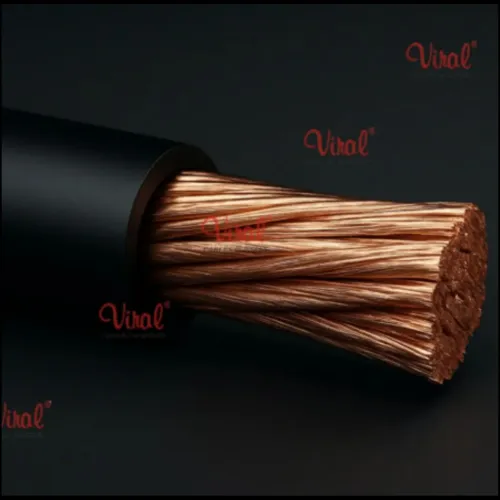

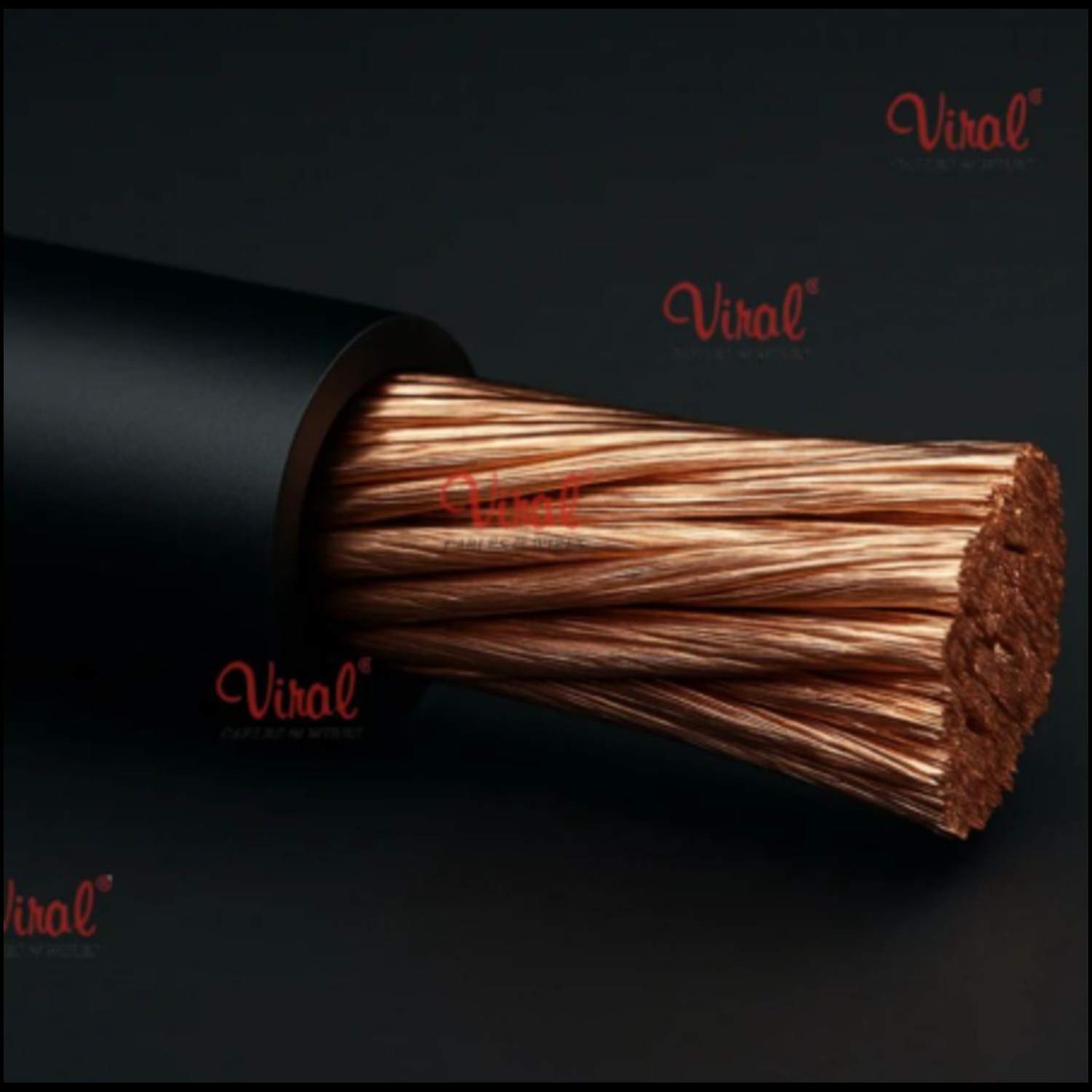
Battery cable systems are essential for maintaining reliable power transfer in automotive, industrial, solar, and backup power applications. In Bengaluru, Karnataka, demand for high-performance battery cables has increased significantly due to the growth of industrial automation, electric systems, and power backup infrastructure.
Battery cables are designed to handle high current flow while maintaining stable conductivity and flexibility. Poor-quality cables can lead to voltage drops, overheating, and inefficient power transfer.
Industrial sectors commonly using battery cables include:
- Automotive workshops
- Inverter systems
- Solar power setups
- Industrial battery banks
- Material handling equipment
- Traction battery systems
One important factor in battery cable performance is conductor quality. Copper conductors are widely preferred because they improve electrical efficiency and reduce energy loss during power transmission.
Businesses in Bengaluru often evaluate battery cables based on:
- Current carrying capacity
- Flexibility
- Heat resistance
- Corrosion resistance
- Insulation durability
- Compatibility with battery systems
Industrial environments often expose cables to vibration, heat, and moisture. Strong insulation helps improve cable lifespan and operational safety under such conditions.
Flexible battery cables are also important in compact installations where routing space is limited. Rigid cables may create installation difficulties and increase stress on connectors.
Karnataka’s growing renewable energy sector has further increased demand for battery cable systems supporting solar installations and backup power infrastructure.
Viral Wires LLP supports industrial cable requirements across battery cable, welding cable, and instrumentation cable applications used in multiple operational sectors.
Electrical technicians usually recommend periodic inspection of battery cables to identify:
- Corrosion near terminals
- Loose connector joints
- Insulation wear
- Heat buildup
- Voltage transfer inconsistencies
Another common issue is improper cable sizing. Undersized battery cables can overheat during high-current operation and reduce system efficiency.
Businesses planning industrial power backup systems often prioritize reliable cable infrastructure to support uninterrupted operations during electrical fluctuations or outages.
With Bengaluru continuing to expand its industrial and energy infrastructure, dependable battery cable systems remain important for both operational efficiency and electrical safety.