
Many welding issues that appear to be machine-related are actually caused by poor cable quality. In industrial workshops across New Delhi, inconsistent arc performance, overheating, and power loss are often linked to improperly selected welding cables.
Welding cables act as the primary current carriers between the welding machine and electrode holder. Their role may seem straightforward, but cable quality directly influences welding precision, operator safety, and equipment efficiency.
One common mistake businesses make is selecting cables only based on price. Lower-grade cables may initially reduce procurement costs, but they often create long-term operational problems such as:
- Excessive heating
- Reduced flexibility
- Current leakage
- Arc instability
- Frequent cable replacement
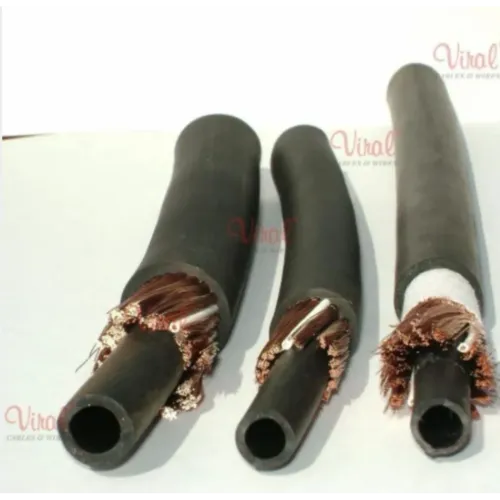
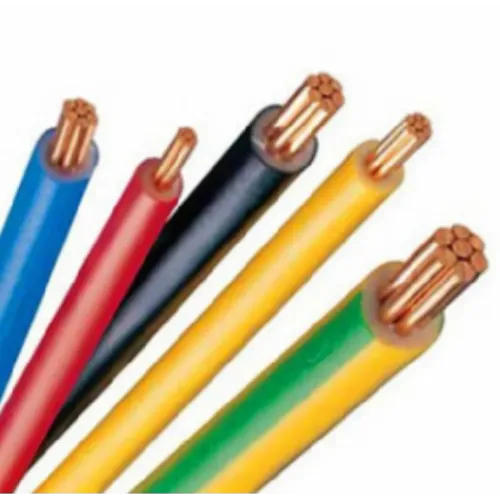
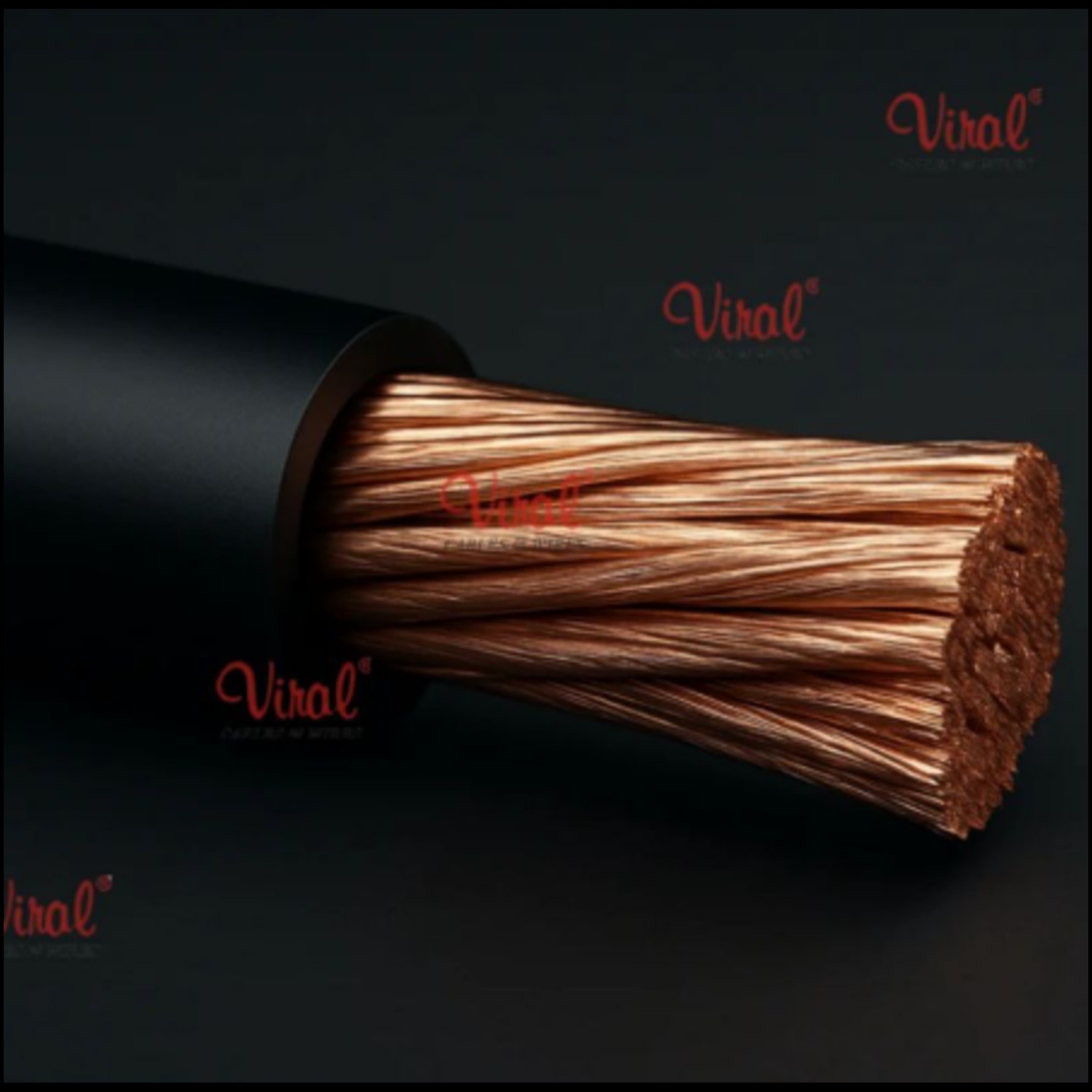
Manufacturing units handling repetitive welding operations require cables capable of carrying stable current loads for extended durations. Flexible copper welding cables are widely preferred because they allow easier movement around machinery, steel structures, and confined workspaces.
In Delhi NCR’s industrial clusters, welding work is common in sectors such as:
- Metal fabrication
- Automotive manufacturing
- Construction engineering
- Ship repair
- Industrial maintenance
- Pipeline installation
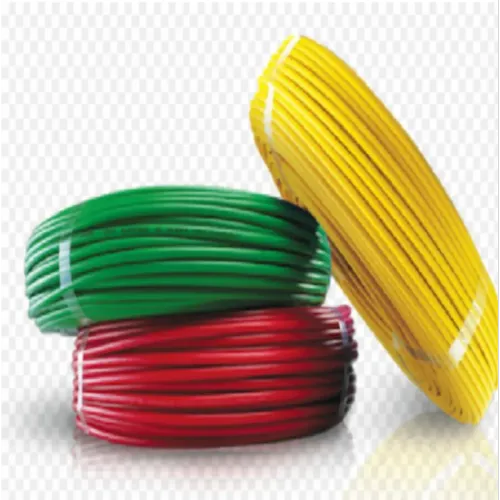
Each of these applications demands different cable specifications. A lightweight fabrication setup may need highly flexible cables for mobility, while large structural projects require heavy-duty cables capable of handling high amperage continuously.
Temperature resistance is another major factor. Welding environments generate significant heat, and cables with poor insulation may deteriorate quickly under constant thermal exposure. Businesses increasingly prefer cables with robust outer sheathing to minimize wear and reduce operational interruptions.
Safety also remains a major concern. Damaged or low-quality cables can expose workers to electrical hazards, especially in humid or crowded industrial environments. Proper insulation helps prevent accidental shocks and protects internal conductors from external damage.
Experienced procurement teams usually evaluate welding cables using the following criteria:
- Conductor material quality
- Strand flexibility
- Insulation thickness
- Heat resistance
- Abrasion resistance
- Current carrying capacity
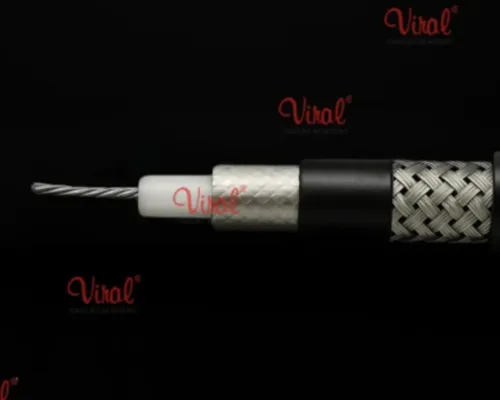
Viral Wires LLP supplies welding cable solutions used across different industrial sectors where operational reliability and durability are critical requirements. Buyers often compare flexibility, copper purity, and insulation standards before selecting cables for commercial use.
Another overlooked factor is cable handling fatigue. Rigid cables can slow worker movement and create unnecessary strain during long welding shifts. Flexible welding cables improve maneuverability and reduce operator discomfort, especially during repetitive industrial tasks.
Businesses in New Delhi are also paying more attention to lifecycle cost instead of initial purchase price alone. A durable welding cable that performs consistently for years generally proves more economical than repeated low-cost replacements.
As industrial operations continue expanding across Delhi NCR, reliable welding infrastructure remains essential for productivity, safety, and quality control. Choosing the right welding cable is not just an electrical decision anymore. It has become a practical investment in long-term operational stability.