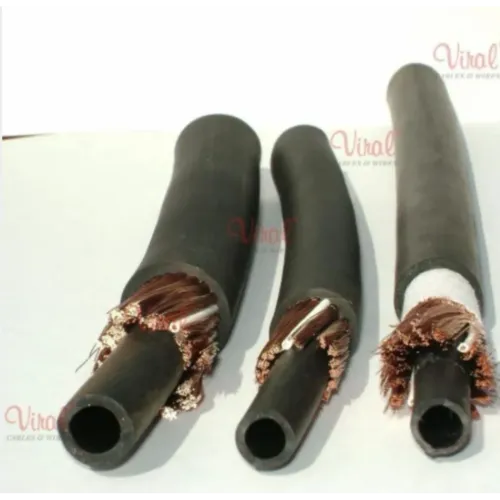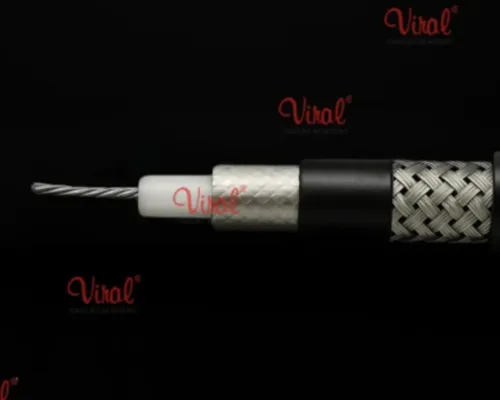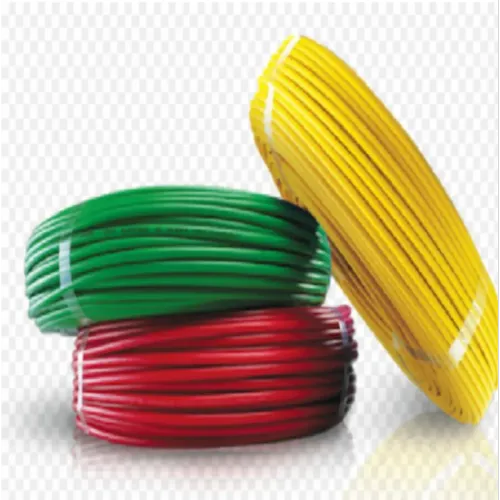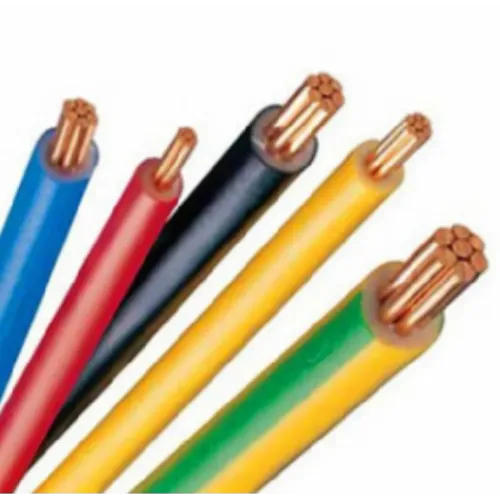

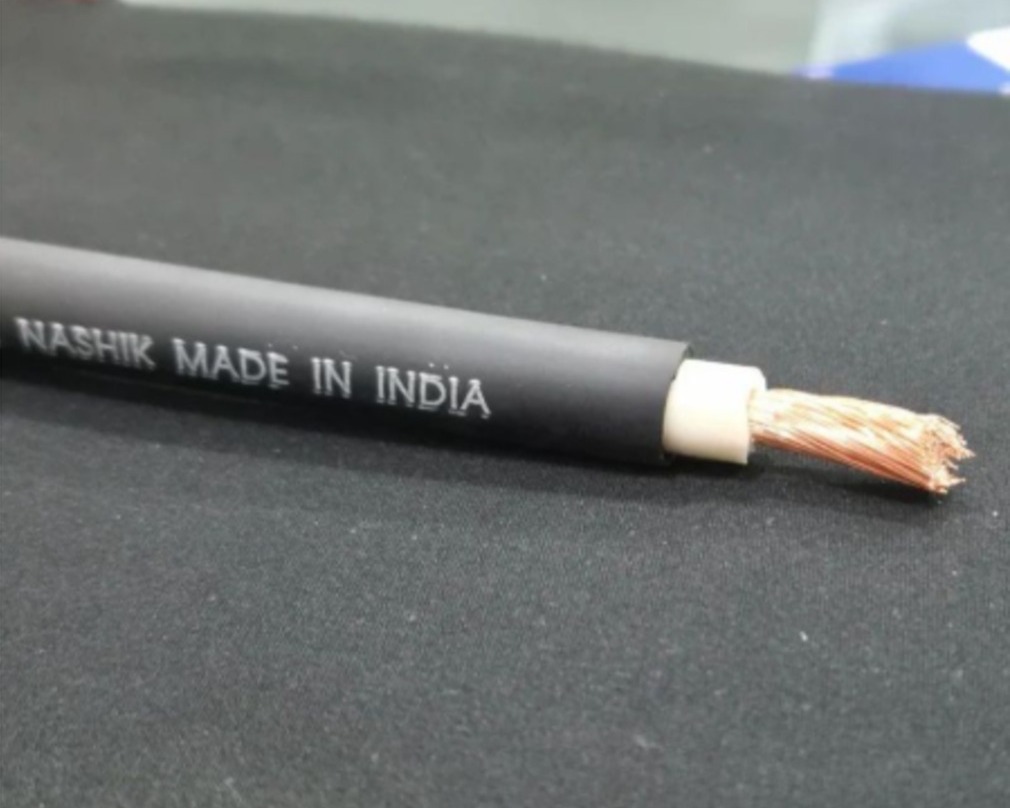
Industrial welding environments demand cables that can withstand heat, abrasion, oil exposure, and continuous movement without compromising safety. This is one reason why many fabrication units and engineering workshops in New Delhi are increasingly shifting toward double insulated welding cable solutions for daily operations.
A standard welding cable may perform adequately in controlled settings, but heavy-duty industrial applications often involve rough surfaces, high temperatures, and constant cable dragging across factory floors. Double insulation adds an additional protective layer that improves durability and minimizes the risk of electrical leakage or external damage.
Businesses working in automotive fabrication, structural steel manufacturing, railway maintenance, and construction projects often prefer these cables because downtime caused by cable failure can directly impact productivity. In busy industrial zones across Delhi NCR, equipment reliability has become just as important as machine performance.
When evaluating welding cables, buyers usually focus on:
- Flexibility during continuous movement
- Heat resistance near welding points
- Copper conductivity quality
- Resistance to cuts and oil exposure
- Ease of handling in confined spaces
A common issue faced by many workshop owners is cable hardening after prolonged use. Inferior insulation materials tend to crack or lose flexibility over time, especially in areas exposed to fluctuating temperatures. Double insulated variants are designed to maintain flexibility while protecting internal copper strands.
Another important consideration is voltage drop. Poor-quality welding cables may reduce arc stability, affecting weld quality and increasing operational inefficiency. Industries dealing with precision welding generally prioritize cable consistency because unstable current flow can result in weak weld joints.
In New Delhi’s manufacturing ecosystem, cable selection also depends on project scale. Small workshops may choose compact cable configurations for mobility, while larger industrial facilities often require higher current carrying capacities for automated or semi-automatic welding systems.
Viral Wires LLP is among the companies supplying industrial cable solutions for businesses requiring durable welding cables for demanding applications. Buyers exploring technical specifications generally compare insulation quality, strand flexibility, operating temperature range, and conductor purity before making procurement decisions.
Routine inspection also plays a major role in cable lifespan. Even premium cables can deteriorate if repeatedly bent at sharp angles or stored improperly. Maintenance teams often recommend:
- Avoiding excessive cable twisting
- Keeping cables away from sharp metal edges
- Cleaning oil and grease buildup regularly
- Storing cables in dry environments
- Inspecting insulation for surface wear
Modern industrial welding setups now place equal importance on worker safety and operational continuity. This has increased demand for high-performance cable systems that reduce maintenance interruptions and support uninterrupted welding operations.
For businesses in New Delhi managing fabrication lines, infrastructure projects, or heavy engineering operations, selecting the right double insulated welding cable can significantly improve both safety standards and long-term operational efficiency.